


Waterfront Facilities
The USMMA Waterfront promotes midshipmen leadership training and professional development through the use of world-class facilities, an expansive training fleet, and elite athletics. The Department of Waterfront Operations and Training is responsible for overseeing these vast resources, which serve to prepare the next generation of merchant mariners and military officers.
Yocum Sailing Center
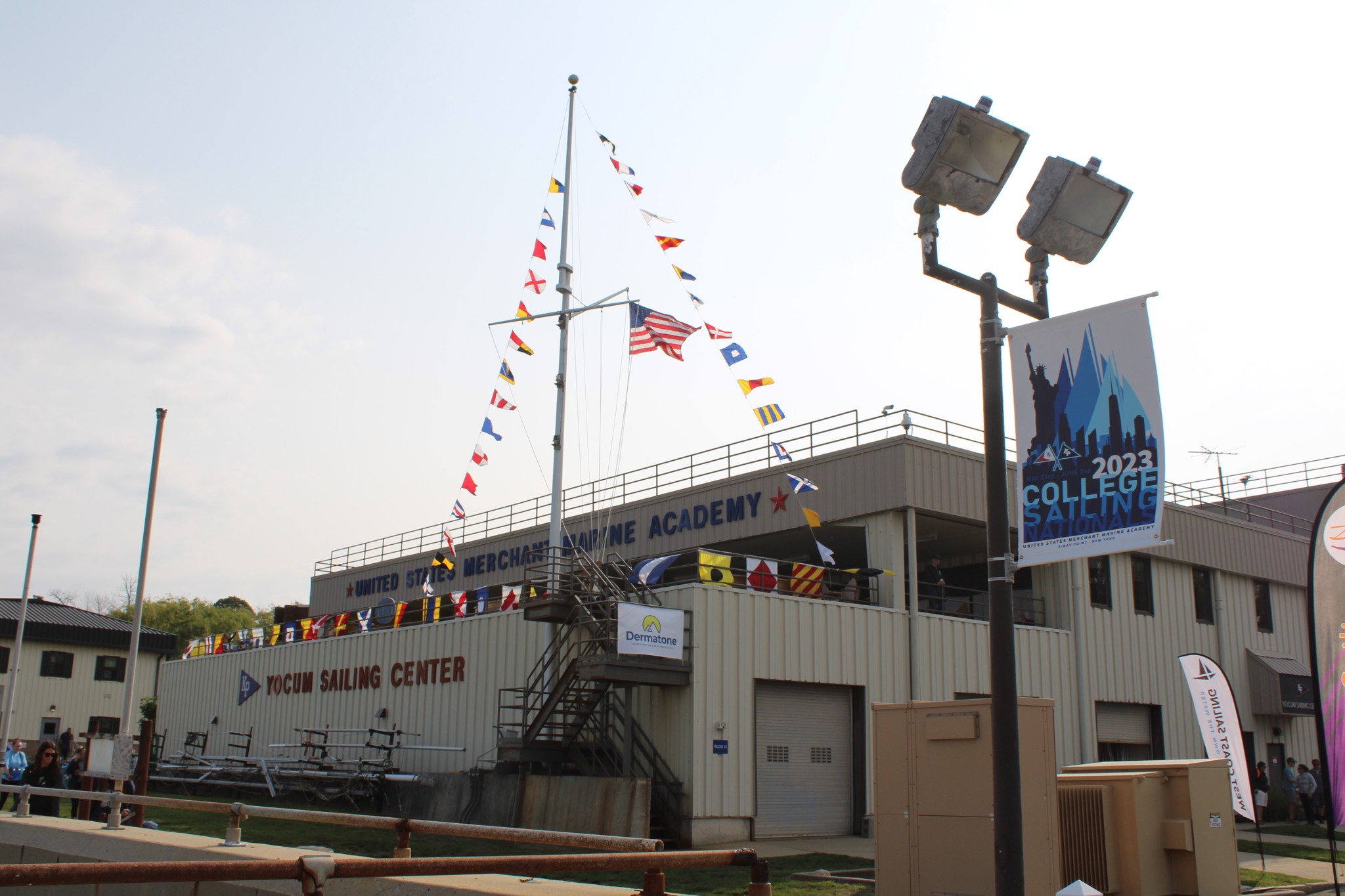
The epicenter of waterfront operations, this two-story structure sits along the shore of Long Island Sound, featuring direct access to Hague Basin. Inside, the facility houses maintenance operations, locker rooms, team spaces, and administration offices. The centerpiece of the building is the All-American Room, which overlooks the Manhattan skyline. The center also features the Captain Joe Prosser Room, a wardroom-themed conference room dedicated to the Academy's first Sailing Master.
History
September 1991, Rear Admiral Paul Krinsky signed off on the construction contract, and the Sailing Center was officially born. The building broke ground Homecoming Weekend in 1992, and the building was “launched” on 20 October 1994. In recognition of the generosity of James H. Yocum '47, the building was named the Yocum Sailing Center in May 1995, to honor Jim's brothers, parents and grandparents.
All-American Room
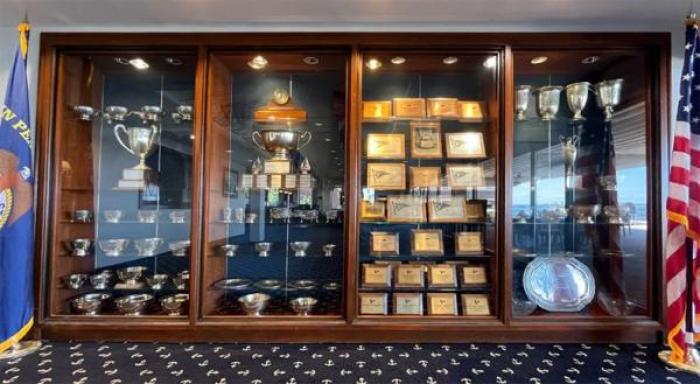
The All-American Room is the centerpiece of Yocum Sailing Center. Cemented inside this room are the stories and names of 56 All-Americans, 17 National Championships, 6 College Sailors of the Year, 2 Olympians, 2 Hobbs Sportsmanship Award Winners, 9 Hall of Fame Inductees, and countless others who achieved greatness during their time at the Academy. Overlooking the Manhattan skyline, the room is the lasting home for the Captain Joe Prosser Perpetual Trophy, awarded to the MAISA Team Race Conference Champion.
Captain Joe Prosser Room
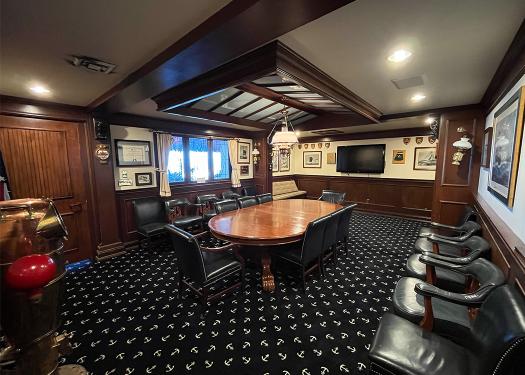
The Captain Joe Prosser Room is the main conference and meeting room for Waterfront Staff and Athletes. Dedicated to the late Captain Prosser, the room takes the theme of a ship wardroom. Surrounding the the room are photos, awards, and achievements of Captain Joe Prosser, the first Sailing Master at the United States Merchant Marine Academy.
Prosser Boat House
A premier facility supporting the United States Merchant Marine Academy's waterfront and varsity rowing programs. One of the most unique and valuable features of this building is its specialized indoor rowing tank located right on campus. This critical training asset ensures that midshipmen can maintain their rigorous crew schedules year-round, providing a realistic, controlled environment for rowers to hone their stroke and technique whenever inclement weather prevents them from getting out on the water.
Mallory Pier
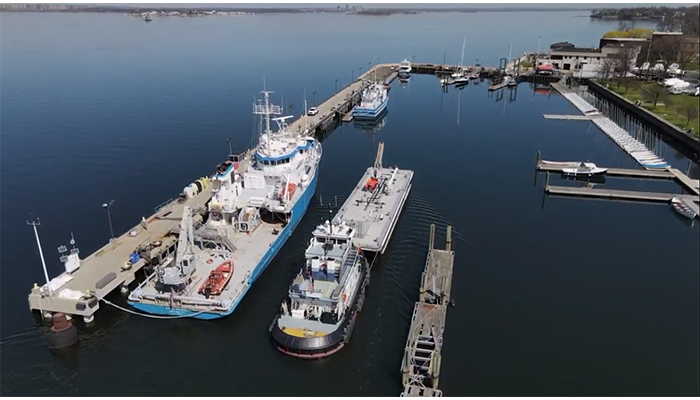
Welcome to Mallory Pier, the dynamic center of waterfront operations and maritime training at the United States Merchant Marine Academy. Situated prominently in the western portion of Long Island Sound, this vital infrastructure connects midshipmen directly to the sea. Having recently undergone a major reconstruction to modernize its capabilities, Mallory Pier serves as the primary mooring site for the Academy's training vessels, providing a secure, state-of-the-art platform for hands-on education. Beyond its critical role in daily fleet operations, the newly reinforced pier provides essential coastal resilience as it protects the shorefront of the Academy, specifically shielding the historic Chrysler Sea Wall from harsh weather and tidal elements.
Last updated: Friday, July 10, 2026